Shopify
 Floatplane



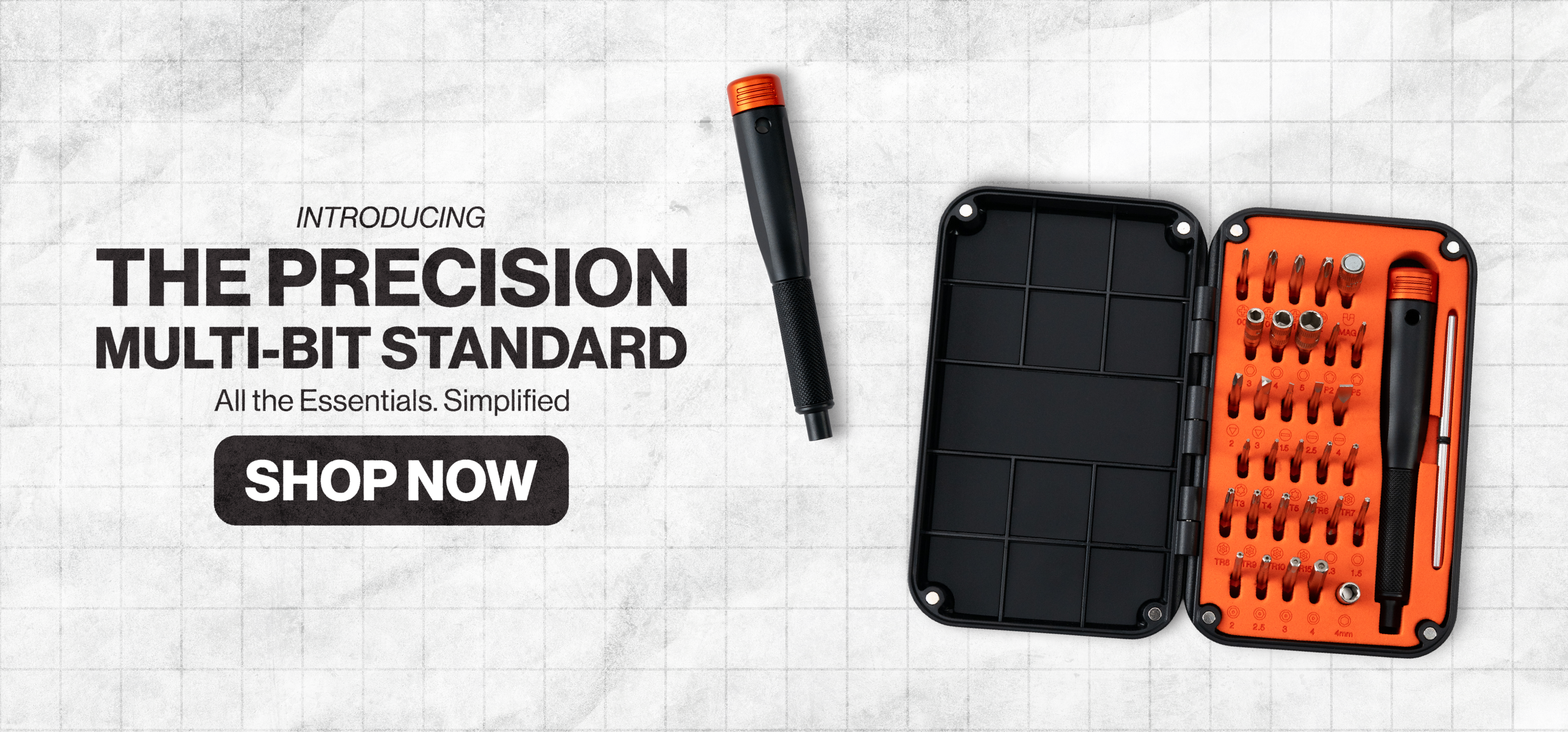
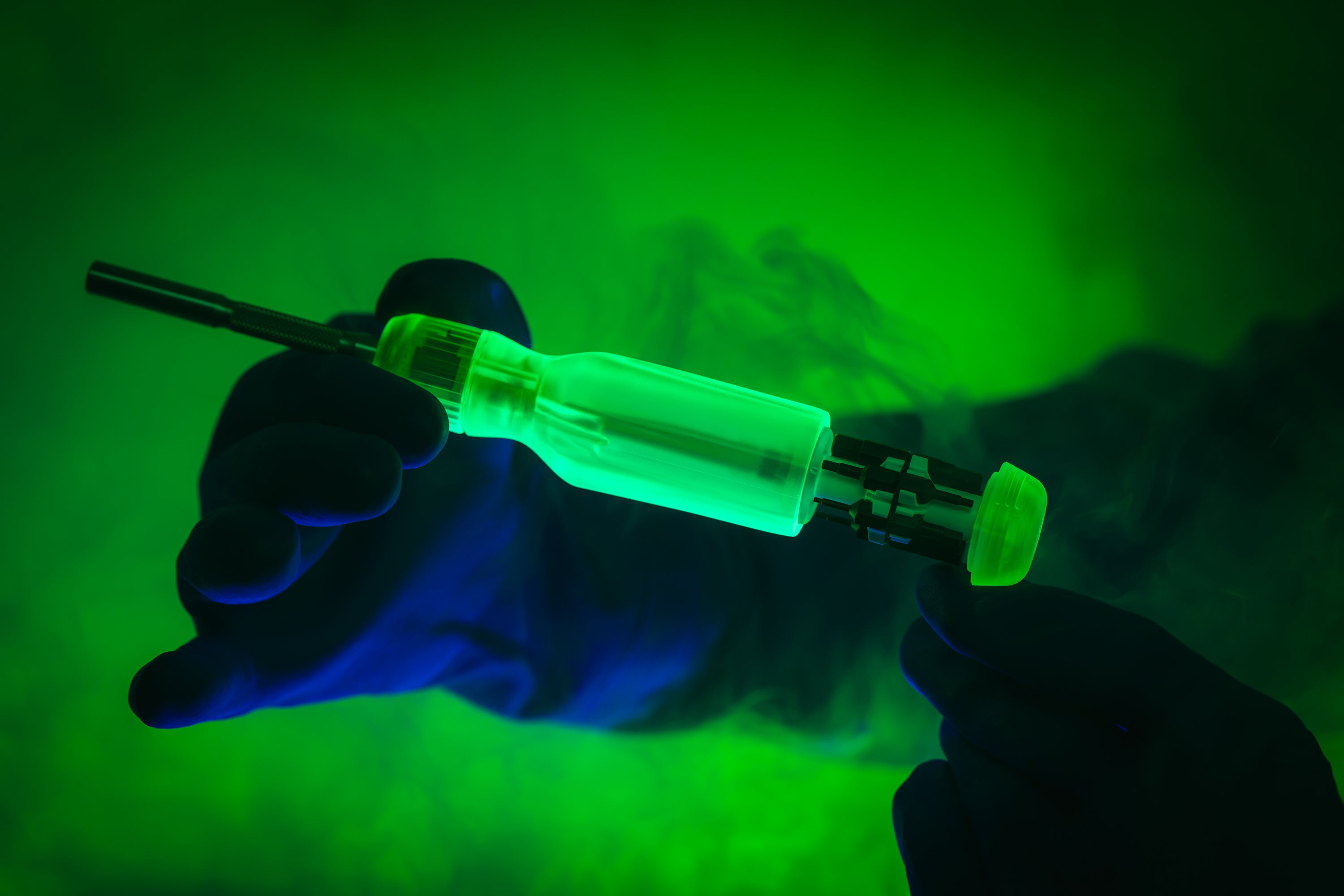

We’ve received hundreds of product ideas ranging from the good, to impossible, to utterly bizarre. We’ve even taken a few of those and turned them into real products, at times against our better judgment. But as anyone who’s worked in any creative field can tell you, an idea by itself is just that, until you start to execute it, and that’s not even counting production, logistics, marketing, customer service and so-on. Today, we want to show you a little bit about how the LTTStore sausage is made, not just in the design phase but across the entire process from ideation to the final product arriving at your door.
What if we…?
Most people in creative fields will tell you that, generally, there’s not much use for a so-called “Ideas Guy,” that is, someone who has great ideas but lacks the real-world experience and expertise to see an idea through to its conclusion. But, great news – there’s hope for all you Ideas Guys (and Ideas Gals and Ideas Non-binary Pals). All you have to do is create a YouTube channel with some cultural staying power, then make up a cute executive like “Chief Vision Officer.” Then, you too can drop an idea and be out of the room before anyone can challenge you!

Easy peazy!
But in all seriousness, it should come as no surprise that even today, a good number of our product ideas do come from Linus himself. Sometimes it’s pure stream-of-consciousness or perhaps a current event in the tech industry. Other times, such as with TrueSpec Cables, the inspiration comes from an LTT project where we found ourselves saying “maybe we can do better…?”
When it’s not Linus, it’s usually a pitch from one of our designers. Linus will take the time about every two weeks or so to meet with all of our design team members, and this is often when product designs get pitched. A good example is our “Great Indoors” collection – our Apparel team assembled some fresh designs they thought would resonate with our audience, and then Linus, having a bit of a sixth sense when it comes to what the LTT audience will probably like, confirmed it passed the vibe check.
Sidenote: it used to be that our product development cycles ran almost entirely on Vibes™️, but nowadays in the interest of being a Real Company®️, we do take a bit of time to put together some market research, R&D, and cost estimates, so we’re not going in totally blind on most projects now. The sole exception is when we want to quickly capitalize on a current event, such as with a limited-edition T-shirt.
Make it again!
The real work begins when a product idea is actually greenlit. If we haven’t already, we’ll put together a series of initial design drawings, which Linus and other members of leadership will offer constructive feedback on and help narrow down the scope as much as possible. We’ll usually have a wishlist of features in mind which we iterate upon over time, as the realities of feasibility, cost, and usefulness begin to materialize. In LTTStore’s case, many of our products end up being brand-new categories, which means our design teams get to spend some time researching where to begin before they even start.
Before too long, we’re on to factory-sourcing and prototyping. Our product teams, in coordination with our Operations team (who’s primarily responsible for moving goods between our partner factories and warehouses) will conduct a broad search for goods manufacturers who can reliably produce samples for us whose quality matches what we envision. In the case of overseas factories, we also vet them for adherence to minimum labor & ethical standards.
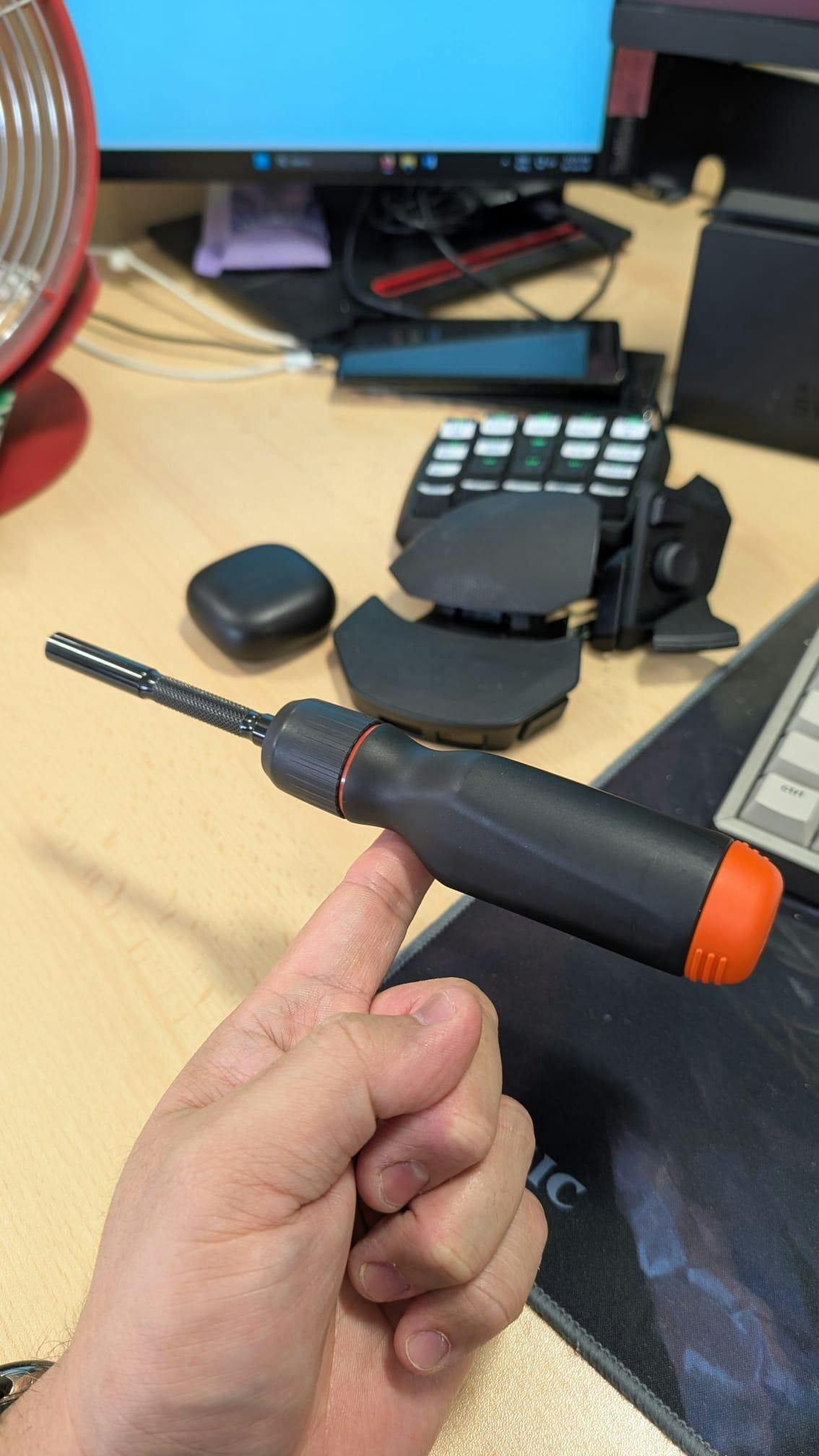
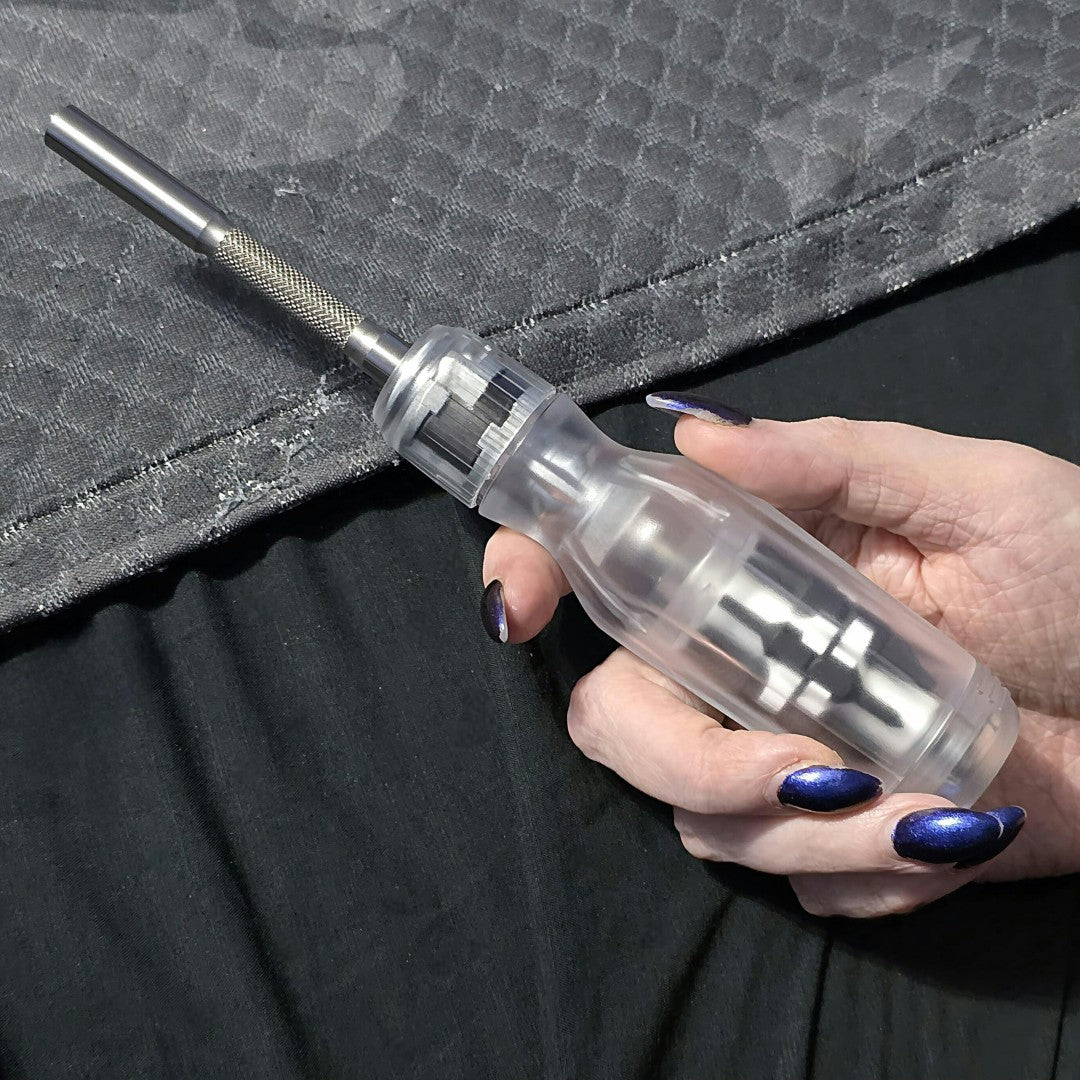
Before that, to the extent that we can, we’ll 3D-print our own prototypes. We also have an in-house injection molder. This comes in especially clutch when we need to verify, for example, how well a screwdriver handle will fit in the palm of your hand. Other times, as is often the case with apparel for instance, we simply don’t have the ability to produce our own fabrics so we go directly to the factories and mills, starting with material and color swatches so we can test the look and feel well ahead of time.
We look extremely closely at each new sample, at times neurotically, to check for any noticeable flaws in workmanship or design. This often leads to revisions, and once in a while even leads us to put projects on hold or cancel them entirely if we don’t think we can execute our vision. Eventually, as the product begins to take shape, we’ll loan out samples to key staff members to provide our product teams with wear-testing or feedback on daily use.
Sometimes the original vision survives mostly intact, but more often than not, this is when we have to make hard decisions about what design features to keep, and what has to be scrapped. One of the more well-known examples is the black shaft which the LTT Screwdriver was originally designed with. While it looked great at first, it was ultimately removed due to longevity concerns.

Insert your favorite “black shaft” joke here.
Production & Shipping
We do eventually run out of details to obsess over, and when that happens, it’s usually a sign that we’re ready to go to production. After receiving our golden sample (the final sample demonstrating the product in its intended condition, made under a mass-production workflow), we’ll greenlight the initial batch with the factory, within their stated MOQ (minimum order quantity) to ensure we still benefit from economies of scale. Then, our Operations team gets to take over the drivers’ seat until product lands at our warehouses.
In 2026, LTTStore runs two warehouses – one here in Vancouver, Canada, which coordinates shipping mainly to our Canadian and Worldwide customers, and the other in Atlanta, Georgia who handles our US customers. Internally we refer to these warehouses as 3PL’s, which stands for third-party-logistics, because they’re not directly employed or run by Creator Warehouse but instead operate on a contract basis – though we maintain a very close relationship still.

Europe? Never heard of it. Sounds fake.
In this area, the Ops team has one task: move our mass-produced goods from the factory – wherever they are in the world – to our two fulfillment warehouses in time for our projected launch date, and do so as cost-efficiently as possible.
While that may sound simple, it’s far from it – they have to research which shipping methods, i.e. ocean container shipping vs. air shipping, are most likely to arrive at the correct time. Too late, and the launch window gets missed. Too early, and we end up overpaying on storage fees. They also have to predict how best to distribute the goods between our two 3PLs, and work with them to ensure they have adequate space and staff to fulfill our projected order volumes.
Marketing & Customer Service
Meanwhile, our marketing team gets to work developing the product page – the page on our store where you’d actually purchase the product – and advertising material. For apparel products, we tend to focus mainly on flat-lays and lifestyle photographs, in the hopes of both transparently showing the product itself in as much detail as possible, as well as inspiring you, the (very intelligent and handsome 😳) buyer, in terms of when and how you might wear it. For other products, like backpacks or tools, a more technical features overview and perhaps even dedicated video content might be included.
The exact amount of time and effort spent on this phase scales with the expected size of the product launch. For products like TrueSpec Cables, we’ll often plan out a whole suite of lifestyle shots. In the past, we’d grab any LMG employee who felt like volunteering. We’ll still do that sometimes, but on occasion we’ll also hire models to pose for us.

It’s like we’re a real apparel brand or something.
The Ops team also needs to finalize some technical details here, mainly to assign a SKU (stock-keeping unit) number to the new product and allocate sellable inventory to each warehouse within our store’s backend, among other finer details.
Meanwhile, we also brief our Customer Service team on when the new product is expected to launch, how big of a launch we expect it to be, and what features the new product has. Sometimes this is just an email. Other times, a more hands-on approach is needed, especially with more technically-complex products such as the LTT Backpack, or our upcoming Battery Bank, so one of our design team members will sit down and demo the product with the team – one of the many benefits of keeping our customer service staff in-house. This ensures that, when you inevitably need help with a product or, at worst, need to submit a warranty claim, our staff has the knowledge to help you resolve the issue on your own and to know when a replacement product is truly needed.
Go Time
At long last, often a year or more after conception, it’s finally time to launch the product. Usually, Marketing will prepare a short script for Linus to (probably forget to) read out on the WAN Show, and set aside some samples for him and Luke to show off, as well as announcement content on social media. The design teams will also take one final look at the content we’ve prepared to ensure everything is accurate. Once everything’s in place, we press Go. The product is live, and we start printing money taking orders.
But the job’s not done just yet.
Post-Launch
Because delivering a good product matters to us, for a good while after launch, all of our teams keep a close eye on a couple things:
-
- Customer feedback: We crawl our customer service helpdesk, social media, the LTT Forums, product reviews, and even our YouTube comments to monitor what people are saying about the new product. Even if we can’t directly respond all the time, we see everything and it informs how we design & launch our next product.
- Sales & Exceptions: We maintain a record of how much product gets sold out of the initial batch and how quickly, as well as how often we’re having to issue replacements or refunds and for what reasons. If this doesn’t meet expectations, we review whether we want to restock that product or in extreme cases, we might even implement small design changes for the next batch.
In other words the job is never truly done, because even though we endeavor to make the best product we can, each one teaches us something new and helps us make the next one that much better!
We hope you enjoyed today's edition of the LTTStore Newsletter. If you like these, make sure to check out our archive and get subscribed via the form at the top of this page so you don't miss the next one!